Handle a Stubborn Blockage: What to Do When the Usual Method Fails
Before you start, gather three things: a bucket or basin to catch water, old towels to protect the floor, and the phone number of a professional service you trust. If a plunger and a bottle of drain cleaner have already failed, the problem is rarely just at the surface. In Praça da Sé, a busy historic area of São Paulo with old buildings and heavy foot traffic, blockages often sit deeper in the pipe network and need more than a quick fix. This is where a desentupidora em Praça da Sé São Paulo SP can save you hours of guesswork.
This guide is for the neighbor who has already tried the obvious steps and is now asking, “What next?” We will cover why simple methods fail, what to check before calling, how professionals work, and how to avoid making the problem worse.
Why the Usual Methods Stop Working
Most people start with a plunger or a chemical drain opener. These work well for soft clogs near the drain, like hair or soap residue. When they fail, it usually means the blockage is further down the line, has hardened, or involves tree roots, grease buildup, or a collapsed pipe section.
In older parts of São Paulo, including around the Sé square, many buildings still have cast-iron or clay pipes that have been repaired many times. A plunger cannot push past a root intrusion or a heavy grease plug that has cooled and stuck to the pipe walls. Chemical cleaners may dissolve a small amount of material, but they often just create a passage and leave the rest behind. Worse, repeated use can damage older pipes and create leaks.
If two different methods have failed, stop and reassess. Continuing to pour chemicals or force a plunger can push the clog deeper or break a weak joint.
What to Check Before You Call a Professional
You do not need to diagnose the problem yourself, but a few quick checks help the technician arrive prepared and give you a faster estimate.
Check which fixtures are affected
If only one sink or toilet is slow, the clog is likely local. If multiple drains in the same bathroom or kitchen are backing up, the blockage is probably in a shared branch line. If water backs up in the lowest floor drains when you use an upper-floor fixture, the main building line may be blocked.
Look for signs of a deeper problem
Gurgling sounds from other drains, a sewer smell that does not go away, or water rising in the shower when you flush the toilet all point to a main line issue. In these cases, a simple snake or plunger will not solve it.
Note the building type and access points
Old buildings in Praça da Sé may have limited access to cleanouts or inspection chambers. Tell the service provider if you live in an apartment, a commercial storefront, or a house with a yard, and mention any recent construction or heavy rain. This helps them bring the right equipment, such as a hydro-jetting truck or a camera inspection tool.
When to Call an Emergency Service
Some blockages can wait until morning. Others cannot. Call for emergency help if sewage is backing up into the property, if water is rising quickly, or if the blockage affects a commercial kitchen or a health-care facility. A desentupidora Praça da Sé that operates 24 hours can prevent property damage and health risks.
Signs that you should not wait include:
- Wastewater backing up into multiple drains at once
- A strong sewage odor inside the building
- Water leaking from ceilings or walls near pipes
- Blockages that return within a few days of being cleared
Emergency service is not just about speed; it is about stopping contamination. Sewage contains bacteria and pathogens, and standing water can damage floors, walls, and electrical systems.
How Professional Desentupimento Works
Professional drain clearing is not just a bigger plunger. It is a step-by-step process that matches the tool to the type of blockage.
Inspection first
A good technician will ask what you have already tried, then inspect the affected drains and cleanouts. In some cases, they use a camera to see the inside of the pipe and locate the exact problem. This avoids unnecessary digging or guesswork.
Mechanical clearing
For many blockages, a motorized snake or auger is used to break up or pull out the clog. This works well for roots, hardened grease, and foreign objects. The technician may use different heads depending on the pipe material and the nature of the blockage.
Hydro-jetting for stubborn cases
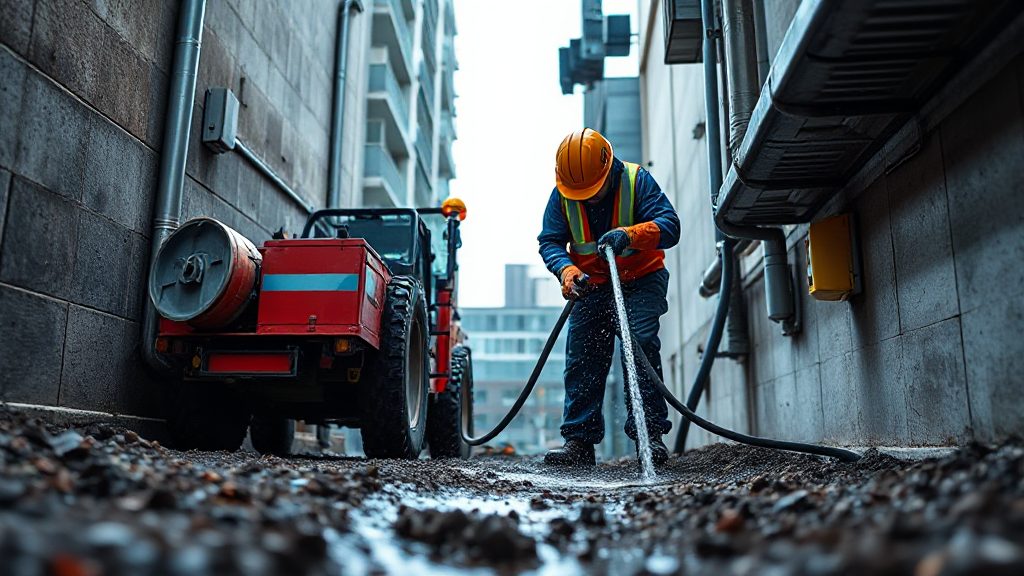
When mechanical clearing is not enough, high-pressure water jetting can scour the pipe walls and remove buildup that a snake cannot reach. This is especially useful for grease-heavy commercial lines and older pipes with years of accumulated sediment. A desentupidora Praça da Sé São Paulo SP typically has this equipment on hand for emergency calls.
Cleaning and prevention
After clearing the blockage, the technician may recommend a preventive cleaning schedule or a follow-up inspection. If the same line clogs repeatedly, there may be a structural issue that needs repair, not just another clearing.
What It Costs and What Affects the Price
Prices for drain clearing in São Paulo vary based on several factors. It is useful to understand these before you call so you can ask the right questions.
| Factor | Effect on cost |
|---|---|
| Time of service | Emergency or after-hours calls usually cost more than scheduled visits. |
| Access difficulty | Hard-to-reach cleanouts or pipes under slabs increase labor time. |
| Blockage type | Roots, collapsed pipes, or heavy grease may require specialized equipment. |
| Pipe condition | Old or damaged pipes may need gentler methods or repairs after clearing. |
| Property type | Commercial kitchens and large condominiums may need more extensive work. |
Ask for a clear estimate before work begins. A reputable company will explain what is included, whether there is a call-out fee, and what happens if the blockage turns out to be more complex than expected.
Common Mistakes That Make Things Worse
When the usual method fails, it is tempting to try more aggressive DIY tactics. Avoid these common mistakes:
- Pouring more chemicals. Repeated use can damage pipes and create a hazardous mixture if different products are combined.
- Using a drain snake incorrectly. Forcing a manual snake can scratch or break older pipes.
- Ignoring multiple slow drains. Treating each drain separately when the main line is blocked wastes time and money.
- Waiting too long. A small blockage can turn into a sewage backup that damages your property.
- Hiring the first person who answers. Check that the company serves your area and has experience with your type of building.
If you have already made one of these mistakes, tell the technician. It helps them avoid repeating the same approach and choose a safer method.
Practical Closing Action: Build a Simple Plan
You do not need to become a plumbing expert. You just need a simple plan for the next time a drain stops working. Start by keeping a plunger and a bucket handy, but know when to stop. If a clog does not clear after one or two attempts, or if you see signs of a main line problem, call a professional service instead of trying more chemicals.
Save the contact information for a trusted 24-hour provider in your phone now, before an emergency happens. Note your building’s cleanout locations and share them with neighbors or staff. And if you manage a property in the Sé area, schedule a preventive inspection once a year. A few minutes of preparation can turn a stressful backup into a quick, controlled fix.
Leave a Reply